AI Wire · 21 SEP 2026

McKinsey: The Real AI Opportunity Is in the Gaps Between the Work

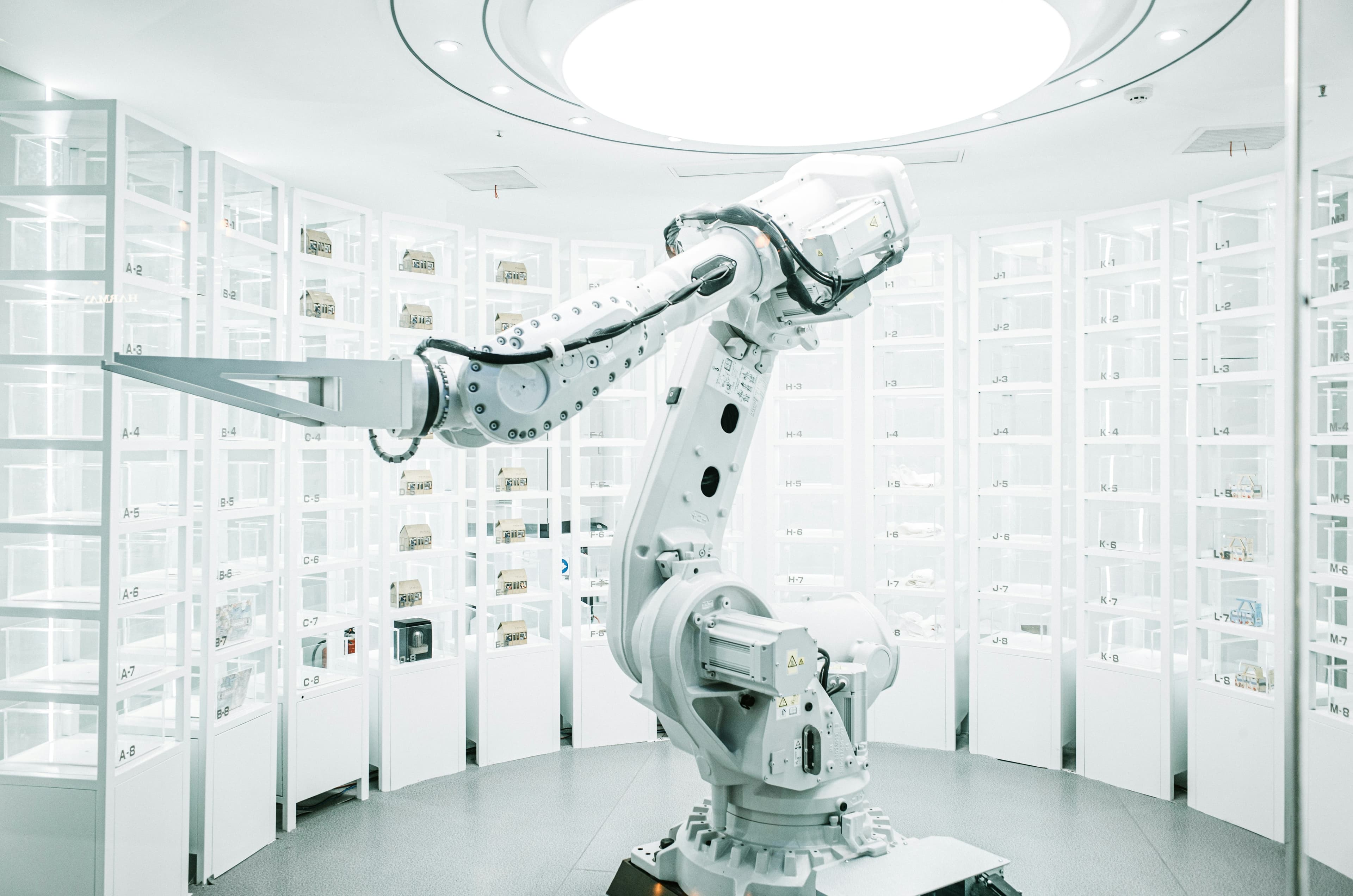
White industrial robot arm in front of rows of labelled storage racks.

Photo: ZHENYU LUO on Unsplash

14 - 21 Sep 2026
$140-240M

a year is what McKinsey found one Fortune 500 manufacturer loses to coordination, not tasks, in a single demand-to-production workflow.

Interface latency across six handoffs ran 9-18 days against 12-24 hours of actual work. Redesigning the interfaces, not adding AI to the existing steps, cut a comparable planning cycle from 30 days to three in a separate McKinsey case study.

Where the time goes in a demand-to-production workflow (McKinsey case study, midpoint estimates)

Coordination / interface latency95%
Actual processing work5%

After interface redesign, a separate McKinsey planning case

Planning cycle time cut90%
Planning now touchless80%
Planner headcount reduced (roles redesigned, not just cut)80%

The week in three lines

  1. McKinsey put a figure on the cost of coordination between workflow steps, not the steps themselves. At one manufacturer, a single demand-to-production workflow lost 9-18 days to handoffs against 12-24 hours of actual processing time, an estimated $140-240 million a year. Redesigning the interfaces cut a comparable planning cycle from 30 days to three.
  2. McKinsey and BCG reached the same conclusion from different angles this week: the value sits in redesigning the structure around the work, not in adding a chatbot to work that stays the same. Gartner's new warehouse AI maturity map backs this up from the supply chain side. Most warehouse AI today sits on the bottom two of Gartner's four rungs, some way short of the semi-autonomous and physical-agent tiers the McKinsey and BCG case studies describe.
  3. MIT Sloan Management Review raises the counter-question to that argument: if AI increasingly takes on the coordination work and frees people for judgement calls, that only holds if the judgement is still real, not just harder to check.

The papers

McKinsey Digital18 Sep 2026Operating model

The real AI opportunity sits in the gaps between the work

McKinsey mapped a demand-to-production workflow at a large manufacturer and found six handoffs between steps were losing 9-18 days to coordination against 12-24 hours of actual work, an estimated $140-240 million a year. In a separate case, redesigning those interfaces cut a comparable planning cycle from 30 days to three and made 80% of planning touchless.

Why it matters

This shifts the question from which tasks AI can do to where work sits waiting for a human to reconcile it, and how many days that costs. It's a useful test for any organisation's own demand-to-production or sales and operations planning process.

Gartner Supply Chain16 Sep 2026Supply chain

Gartner maps four stages of warehouse AI: most are stuck on the bottom two

Gartner set out four AI trends in warehousing as a maturity ladder, running from traditional optimisation and generative AI through to semi-autonomous agents and physical AI agents combining robotics and sensors. It frames warehousing as at an inflection point, driven by labour constraints, lower-risk capital models and AI technology reaching operational maturity.

Why it matters

This gives any warehouse or fulfilment operator a simple diagnostic: which of the four rungs the business is actually on, not which it assumes. Most operations sit on the bottom two rungs, some way short of the physical and semi-autonomous agents already running in leading case studies.

BCG16 Sep 2026Governance

BCG's answer to unreliable AI agents: build an operating system around them, not a bigger model

BCG describes 'harness engineering', a five-part operating system for AI agents covering specifications, rules, an audit trail, shared context and quality gates. Using the approach, BCG built an agentic advisory platform for a bank that tripled the time advisers spent with clients and lifted wealth-adviser revenue productivity by more than 30%.

Why it matters

As AI models become commoditised, BCG argues the harness becomes the competitive advantage, not the model, because it encodes a company's own processes and governance requirements. It's a more concrete checklist for agent governance than a generic AI policy document.

MIT Sloan Management Review14 Sep 2026Workforce

AI is making it harder to tell who is actually good at their job

Drawing on expert interviews for a joint study with Axialent, MIT Sloan Management Review argues that generative AI can make work look polished regardless of the underlying skill of the person producing it, creating a 'capability mirage' where organisations look competent while real skill quietly erodes. The researchers say this is early evidence from expert interviews, not a measured outcome.

Why it matters

This is the counter-question to any plan that assumes AI frees people up to focus on judgement calls. If the same technology erodes people's ability to demonstrate and build that judgement, a redesigned way of working may be building deeper expertise, or simply hiding its absence better than before.

Also published

What nobody is saying

Two threads from this week's research do not meet each other. McKinsey and BCG both argue that AI's real value sits in redesigning the structure around the work, whether that's McKinsey's 'interfaces' or BCG's 'harness', so that machines handle coordination and people are freed for judgement. Both assume the human judgement being freed up is real and durable. MIT Sloan Management Review's research from the same week argues the opposite is happening: generative AI is making it harder to tell whether anyone's judgement is actually intact, because polished AI-assisted output no longer reliably signals underlying skill. Neither McKinsey's nor BCG's case studies say where that freed-up judgement is meant to come from, or how an organisation would notice it eroding.

McKinsey: The Real AI Opportunity Is in the Gaps Between the Work | AI Wire